
 Facebook
 X
X
 Pinterest
 Copy Link
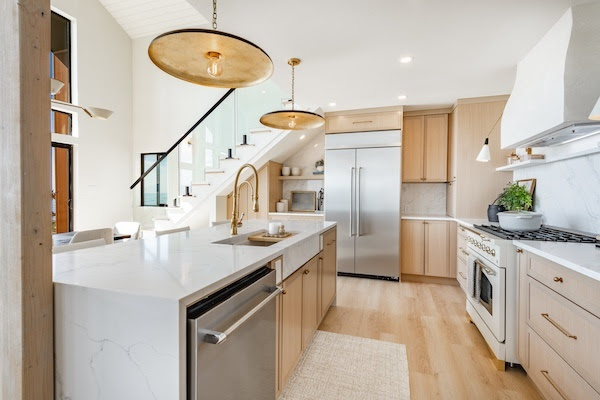
When you buy or sell a home, it’s easy to assume everyone agrees on what stays behind. The refrigerator looks like part of the kitchen. The TV is mounted to the wall. The patio furniture fits the space perfectly.
But assumptions can create last-minute confusion. The best way to avoid surprises is to understand the difference between fixtures and personal property, and make sure important details are clearly written into the contract.
Fixtures Usually Stay with the Home
A fixture is something permanently attached to the property, and unless the purchase agreement says otherwise, these items are considered part of the home and stay. Examples include:
- Built in cabinets and shelving
- Attached light fixtures
- Plumbing fixtures
- Blinds, shutters and curtain rods (not curtains)
- Landscaping
If removing an item requires tools and could leave damage on the walls, it is considered a fixture. Sellers may choose to exclude a fixture from the sale, this should be disclosed on the listing, a buyer will know beforehand that certain item won’t be included in the sale.
Personal Property Usually Goes with the Seller
Personal property are free standing items not affixed to the house, they can be removed without damaging walls. A seller may choose to include certain personal property in the sale, this is to be disclosed in the listing, too. Examples of personal property:
- Freestanding furniture
- Artwork and decor
- Area rugs and lamps
- Small kitchen appliances
- Potted plants
- Most electronics
If something looks perfect in the house, a buyer should not assume it comes with the house, but can inquire about purchasing it from the seller as part of the transaction.
TV’s, mirrors and outdoor items can be a gray area. While these can be considered personal property, some parts are fixtures. For example: a seller might take a wall mounted TV, but leave the wall brackets behind.
Large Appliances Can Sta or Go
Built in appliances, such as wall ovens and dishwashers are usually treated as part of the property. Freestanding appliances like refrigerators, washers and dryers may or may not stay.
If an appliance is included the listing agreement should identify clearly. If an appliance is not staying, it should be listed as a exclusion in the listing.
What Buyers and Sellers Should Know
Buyers should never assume an item comes with the home simply because it was present during the showing. If there are items you want included and it is not clearly stated in the listing, you can ask before making an offer, or you can address it in your purchase agreement.
Sellers should decide what they are taking and leaving before listing. Take inventory of your home and identify items you would like to include or exclude from the sale.
Clear documents (listing and purchase agreements) protect both buyers and sellers by identifying included and excluded items.


